Ensa Workspace

Agenda

  1. Overview & Role: Project scope and my 100% solo ownership.
  2. The Problem & Market Gap: Identifying the need for accessible financial reports.
  3. Research & The Pivot: Shifting focus from retail to professional users.
  4. UX Strategy & Key Decisions: Core principles for building trust in AI.
  5. Final Solution & Designs: Interface screens and interactive flows.
  6. Technical Execution & Roadmap: System architecture and rollout phases.
  7. Business Impact: Driving MAU and subscription revenue.
  8. Reflections & Takeaways: Lessons learned and navigating tight constraints.

1. Project Overview

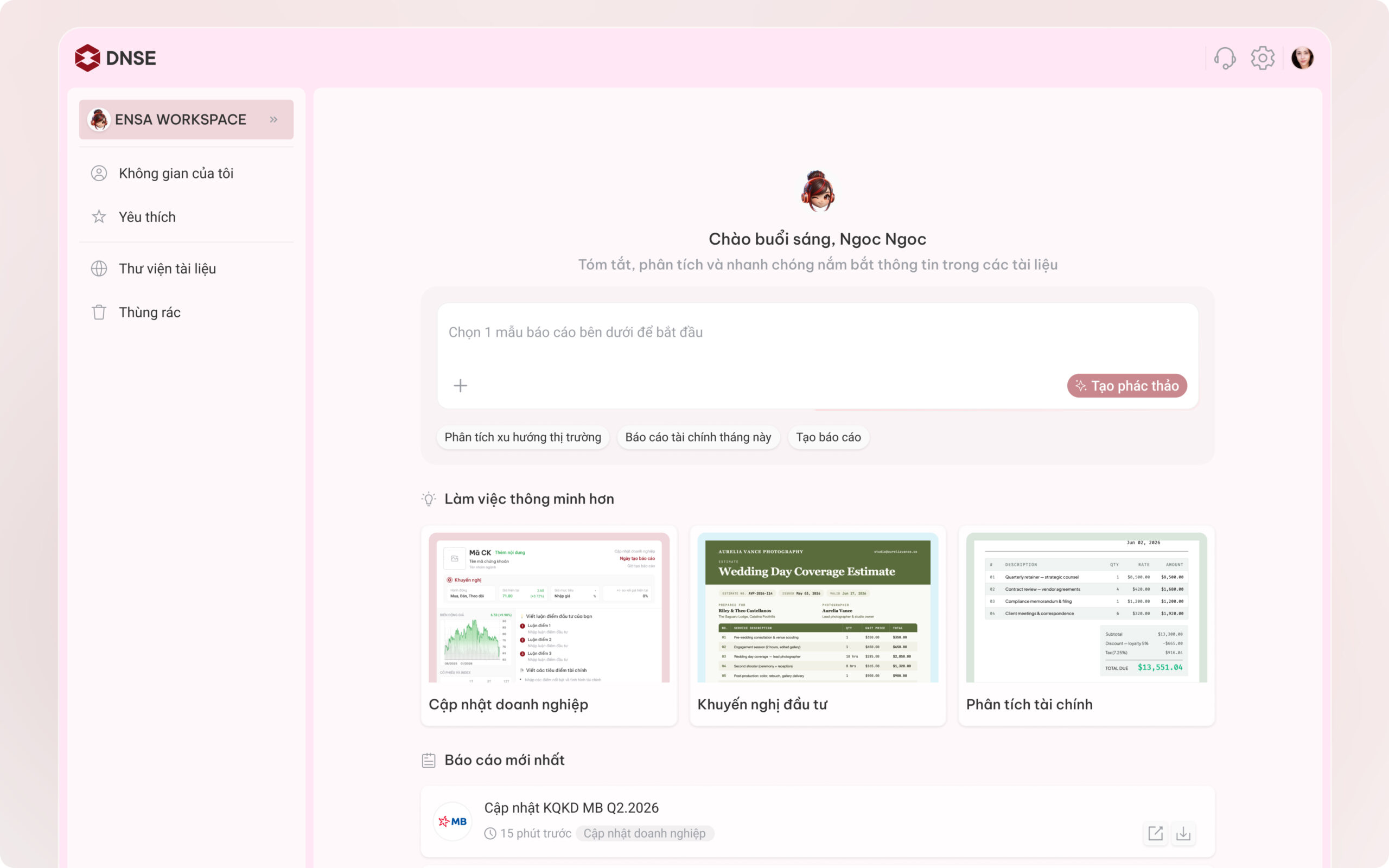
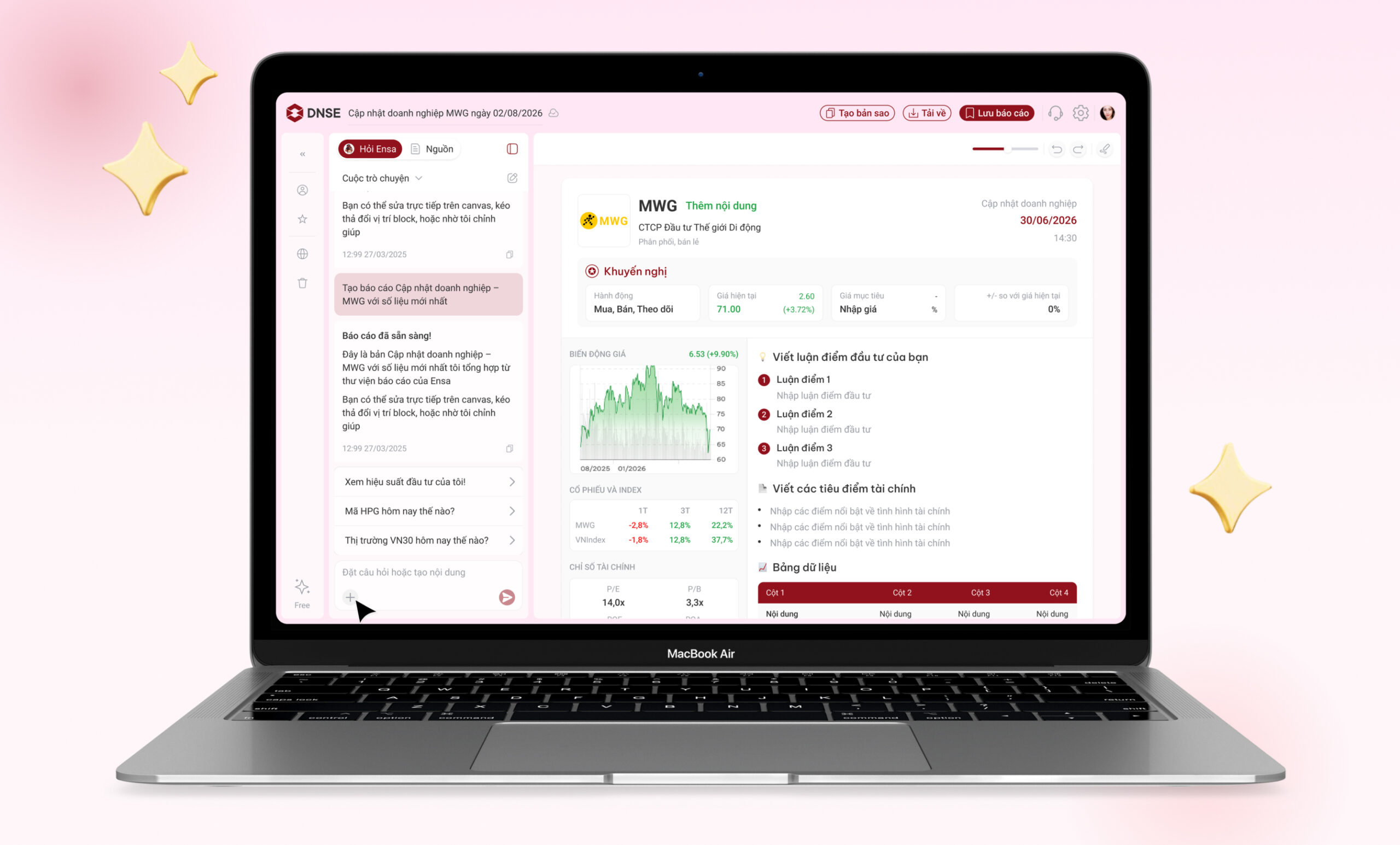
An AI-powered research workspace for investors — where users interact with financial reports through natural language, receive AI-driven insights with verifiable citations, and publish living research reports.

My Role & Contributions

As a Senior UX Designer, I operated as the solo designer on this project, taking 100% end-to-end ownership. I acted as the de-facto Design Lead, driving the product vision, conducting research, and managing cross-functional alignment—demonstrating my readiness and capability to lead complex, strategic AI initiatives.

ResponsibilityDetail
1End-to-end UX designFrom concept, landing experience, to complex workspace interactions.
2Information architectureSession management, project organization, document hierarchy.
3AI interaction patternsChat UI, citation navigation, confidence indicators.
4Cross-functional leadershipAligning BA, Engineering, and UXR teams to execute the product vision.
5Research PresentationPresented comprehensive research to the PO detailing market analysis, competitive landscape, and user journeys.

The Problem & Market Gap

Financial reports are inaccessible to most investors.
Pain PointDetail
Barrier to EntryReports are filled with jargon, dry tables, no context
Lack of InsightExisting tools extract data and draw charts — but don’t explain meaning
No InteractionUsers can’t ask questions directly about a report
Risk of OversightEasy to miss red flags, anomalies, and hidden risks

Competitive Positioning
We aimed to build the “NotebookLM for Financial Reports” specifically for the Vietnamese market.

CompetitorTheir ApproachOur Differentiation
FiinPro / WiChartData extraction + chartsAI explanation + interactive Q&A + natural language
Google NotebookLMGeneral-purpose document analysisSpecialized for financial reports with domain expertise
AlphaSense$10K–$40K/user/yearAffordable, Vietnam market-first, AI-native

Our moat: “Prepared context quality” — how well we pre-process and structure documents before AI ingests them — is the real defensibility. Not the AI model itself.

Research & Target Users

Phase 1: Retail Investors

  • Age 22–40, no deep finance background
  • Overwhelmed by financial report jargon
  • Want “easy answers” from complex data

Key research insight: Retail users want “cheap & easy” (commoditized by ChatGPT)

Phase 2 (The Pivot): Professionals

  • Research analysts, advisory teams, brokers
  • Content publishers who write & distribute research
  • Clear pain points, willingness to pay

Key research insight: Professional users have distinct workflow pain points and measurable willingness to pay for specialized tools. This forced a full redesign from a simple chat to a multi-session, project-based environment.
UX Strategy & Key Decisions

ChallengeApproachSolution
Multi-session AI conversationsEvaluated navigation modelsDrawer-based session management with project grouping (more scalable for power users)
Building trust in AI outputsTrust pyramid frameworkInline citations with bbox-level source highlighting + confidence indicators
Research vs. ReadingRole-based viewsEditor (full workspace) vs. Reader (clean consumption with interaction)
100+ documents in contextInformation architectureProject/section hierarchy + smart search + prepared context

Core Design Principles

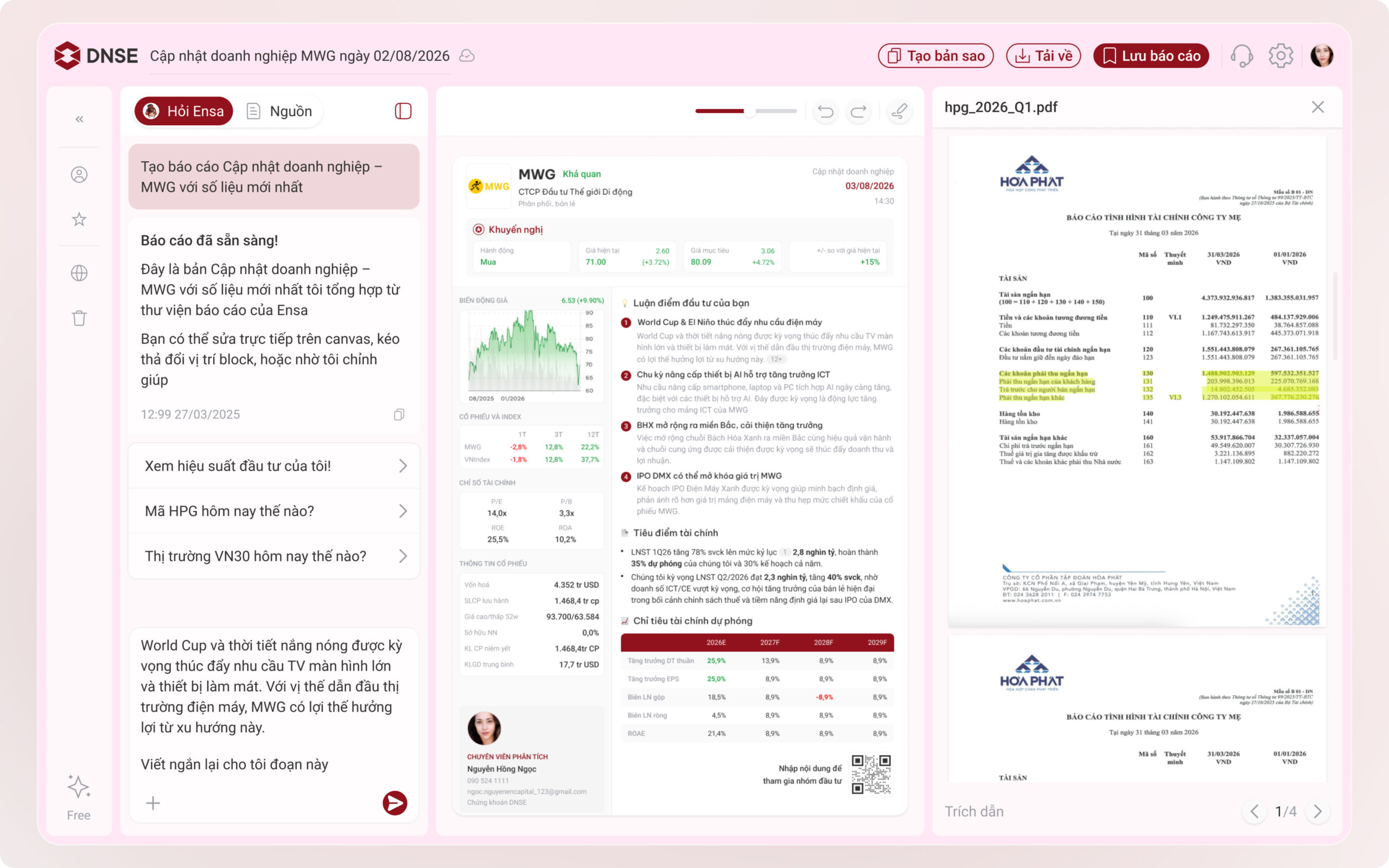
1. Dual-Pane Layout

Left: AI conversation / Right: Original PDF.
Why: Builds trust — users verify AI claims instantly.

2. Citation-First AI

Every insight links to exact position in source (bbox-level highlighting).
Why: Eliminates “AI hallucination” anxiety.

Final Solution & Interface Design

Translating research and strategy into a production-ready workspace optimized for trust and deep analysis.

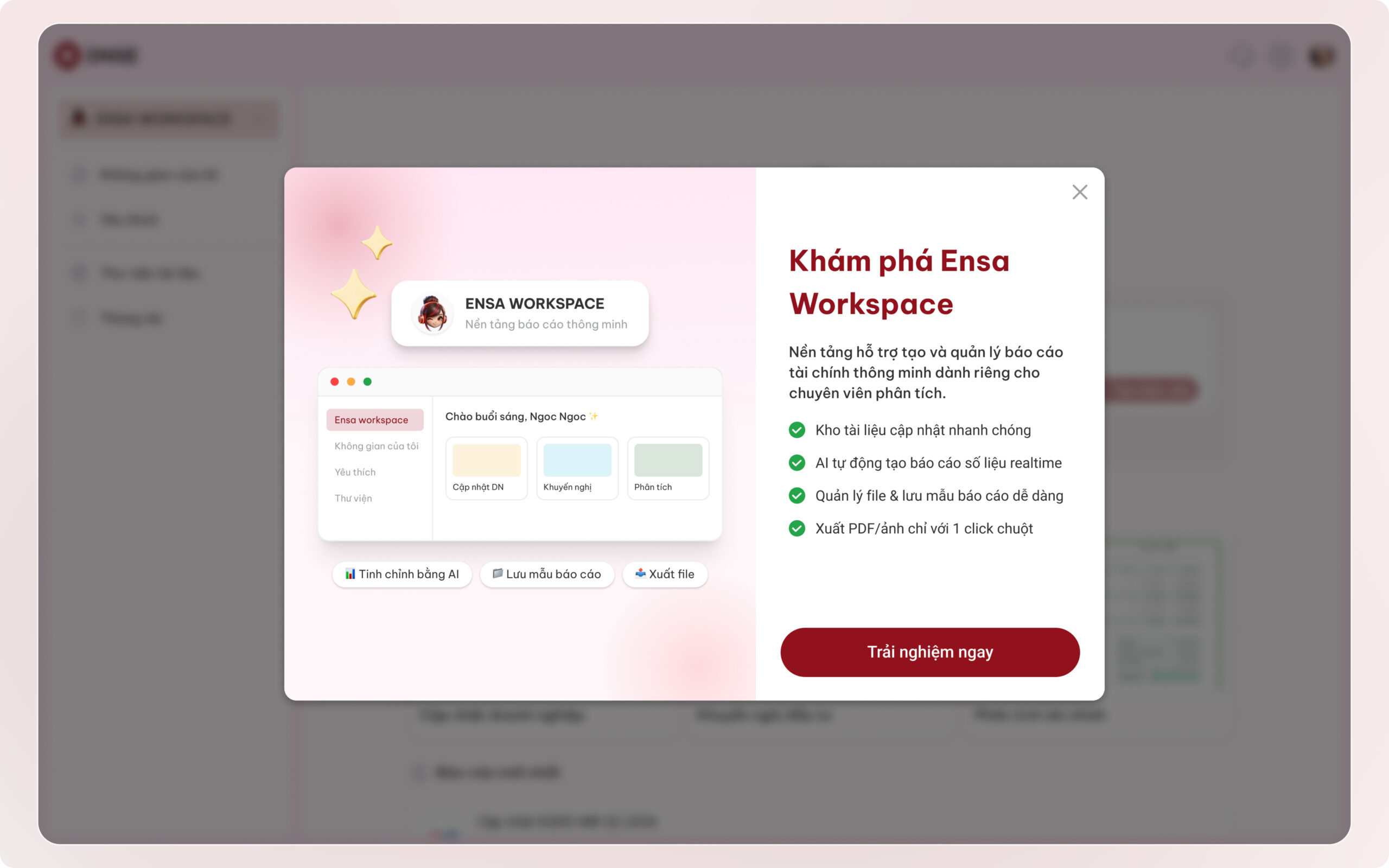
1. Onboarding Experience
Introducing the workspace value proposition to new professional users.

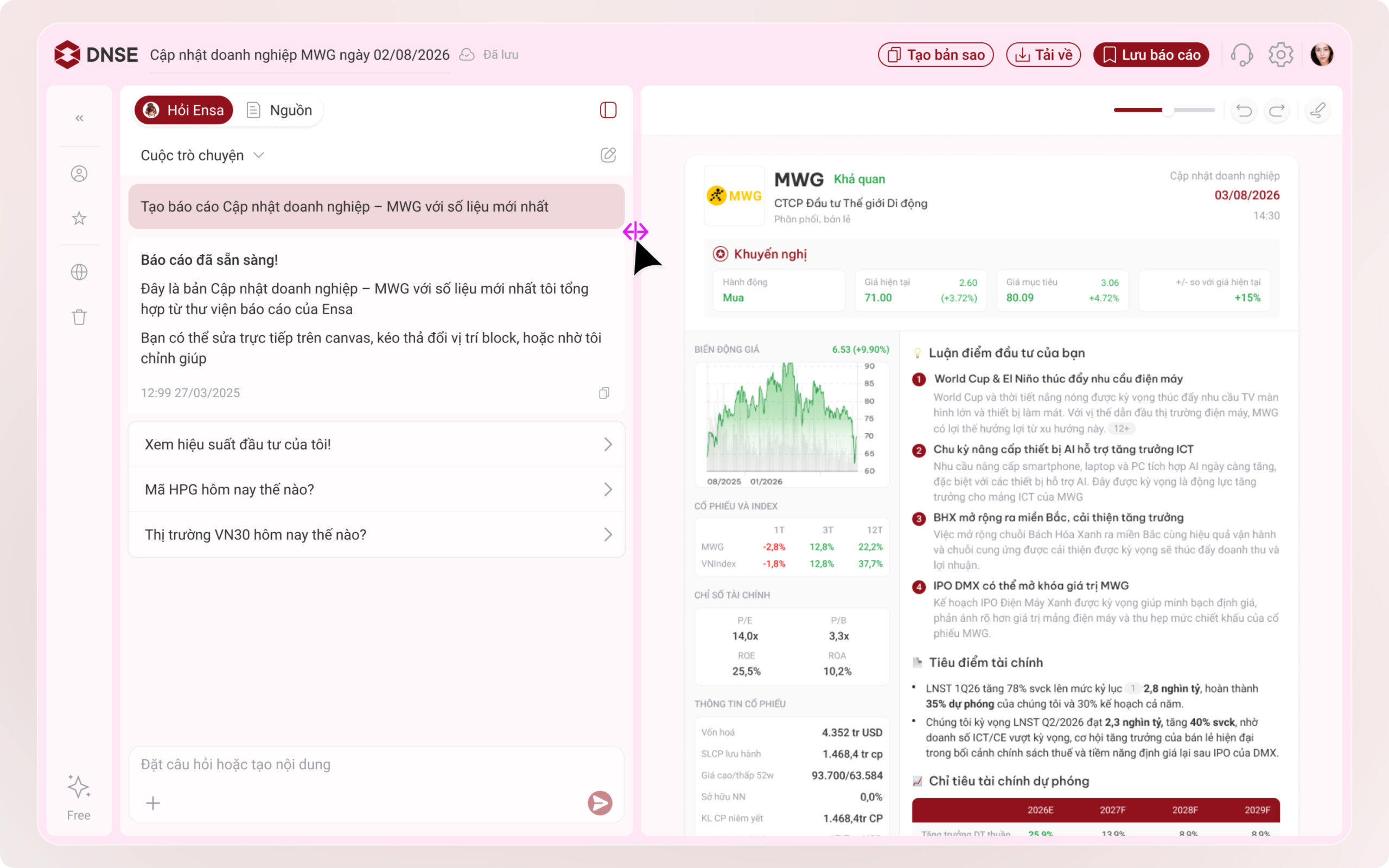
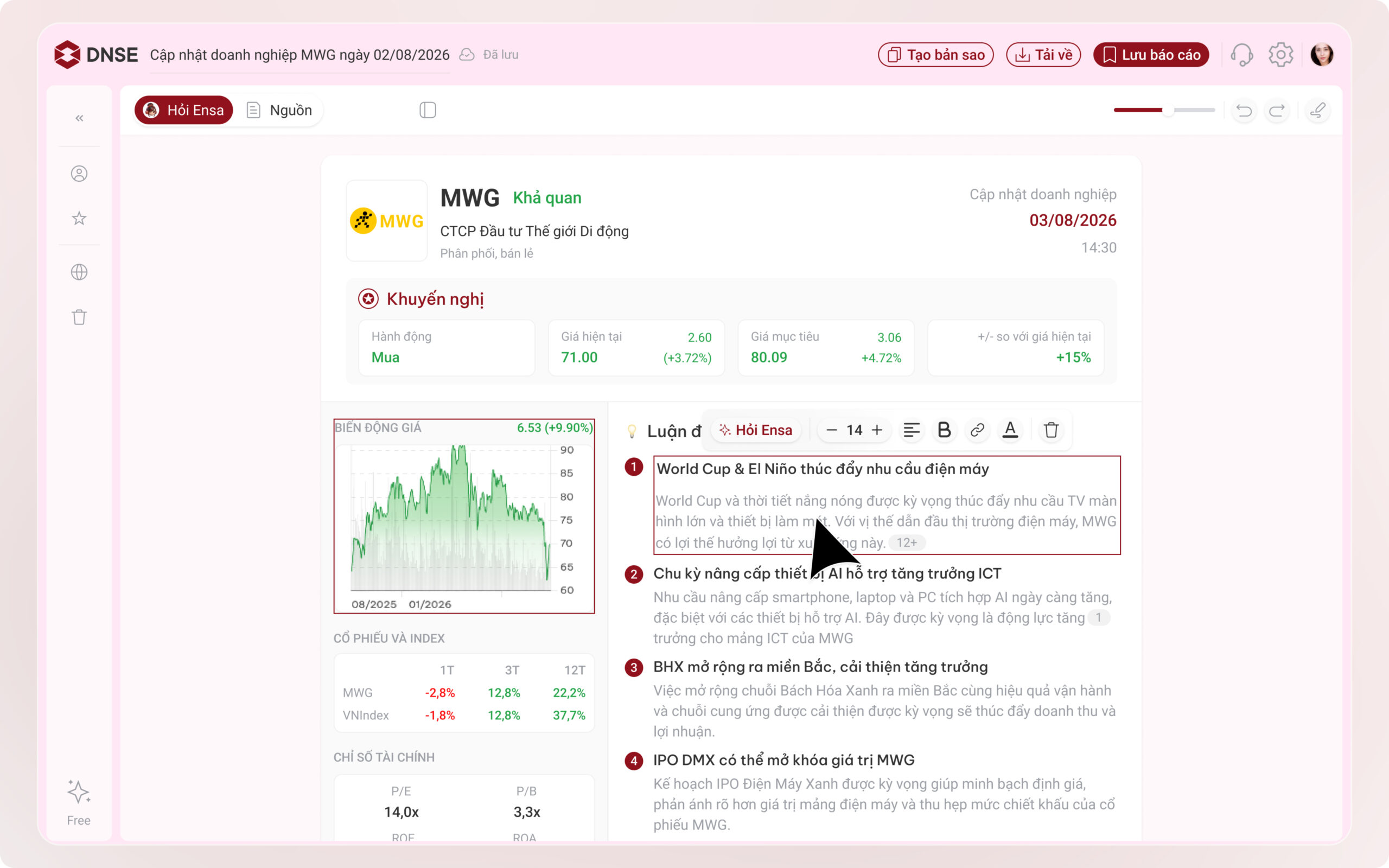
2. Core Workspace (Dual-Pane Layout)
The primary work environment featuring the conversation on the left and the source document on the right.
3. Citation Navigation (The “Aha” Moment)
When a user clicks an AI citation, the right pane automatically scrolls to and highlights the exact bounding box in the original PDF.

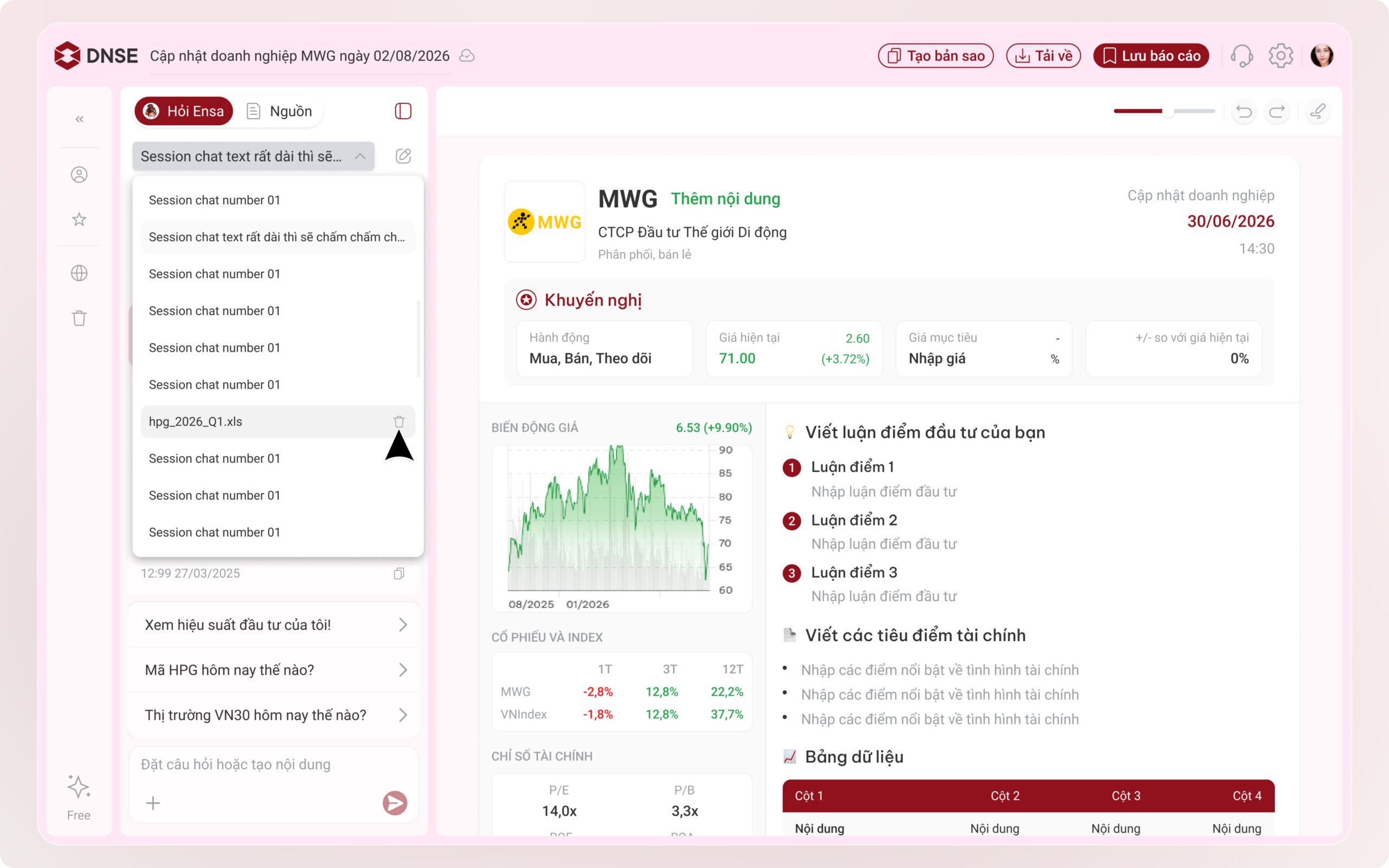
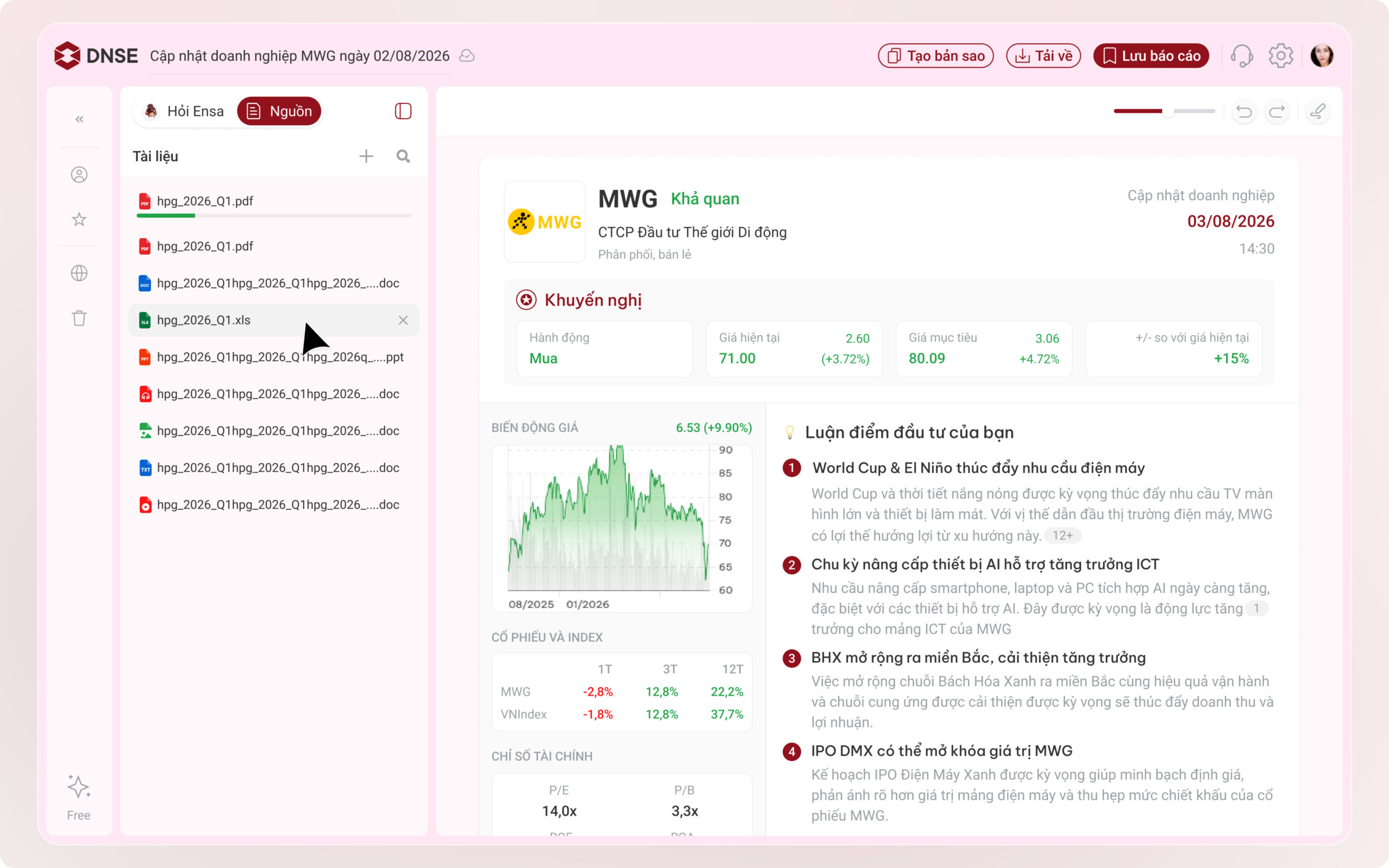
4. Document Management & Intelligence
Handling uploads, project organization, and AI-generated populated data reports.
Technical Architecture & Execution

Frontend State Management I Defined:

ServiceUX Touchpoint
Agentic Agent ServiceMulti-agent AI with streaming responses — chat UI, loading states, error handling
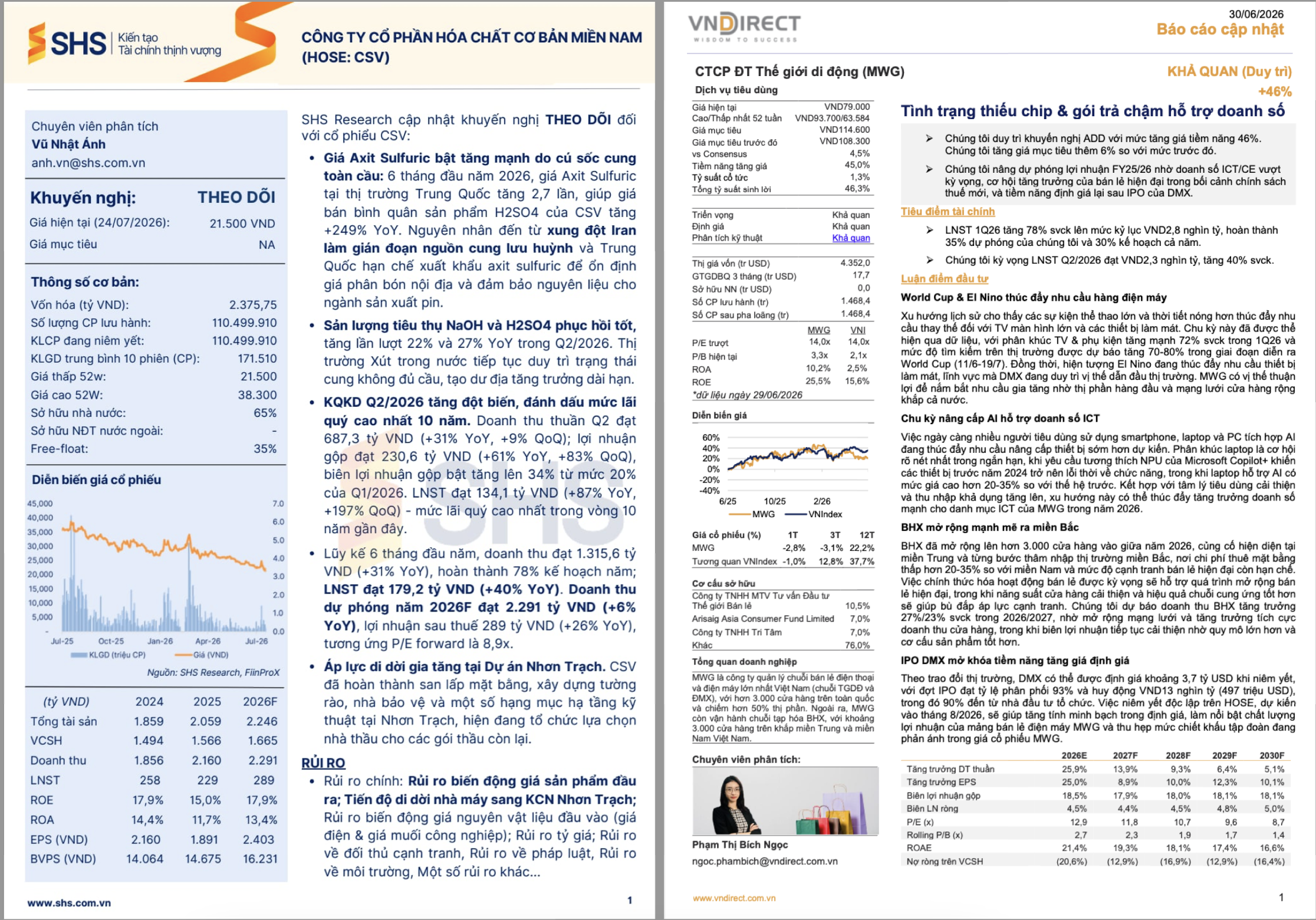
Data Ingestion ServiceOCR + markdown conversion + citation mapping — upload flows, processing feedback

Product Roadmap

  • Internal MVP (Q3 2026): Core workspace UI — chat, PDF viewer, citation navigation
  • Public MVP (Q4 2026): Landing experience, onboarding, report views
  • V1.0 (Q1 2027): Session management, agent customization, publishing flow

Business Impact & Outcomes

Designed to drive subscription revenue by solving high-value workflow problems for financial professionals.

Target MAU (6 months): 1,000+

  • Monthly Rev Target: 1B VND
  • Feature Adoption: 80%+
  • Target NPS: ≥ 50
  • Revenue model: Subscription (Pro tier ~$40–60/month for professionals).
  • Business goal: 1,000 expert users × ~1M VND/month = 1B VND/month revenue

Behind the Scenes: Constraints & Lessons

Working Conditions

  • 4-day design sprints: Required ruthless prioritization. Shipped core workspace first, layered details later.
  • Parallel Work: Managed 2-3 concurrent projects, leading to heavy context switching.
  • Clear Handoff: Delivered primary screens; PM annotated interaction details in a second pass.

What I’d Do Differently

  • Advocate for UX Runway: Push for a minimum 2-week UX runway per feature instead of 4 days.
  • AI Architecture: Involve UX in AI model discussions earlier. Decisions about context limits and hallucination fallbacks happen before Figma.

The ultimate takeaway: Trust is the product. In AI-for-finance, trustworthiness > features. Every design decision—from bbox citations to dual-pane layouts—must center on verifiability.